Op-Ed by State Representative Bill Ohm (R-Nashua)
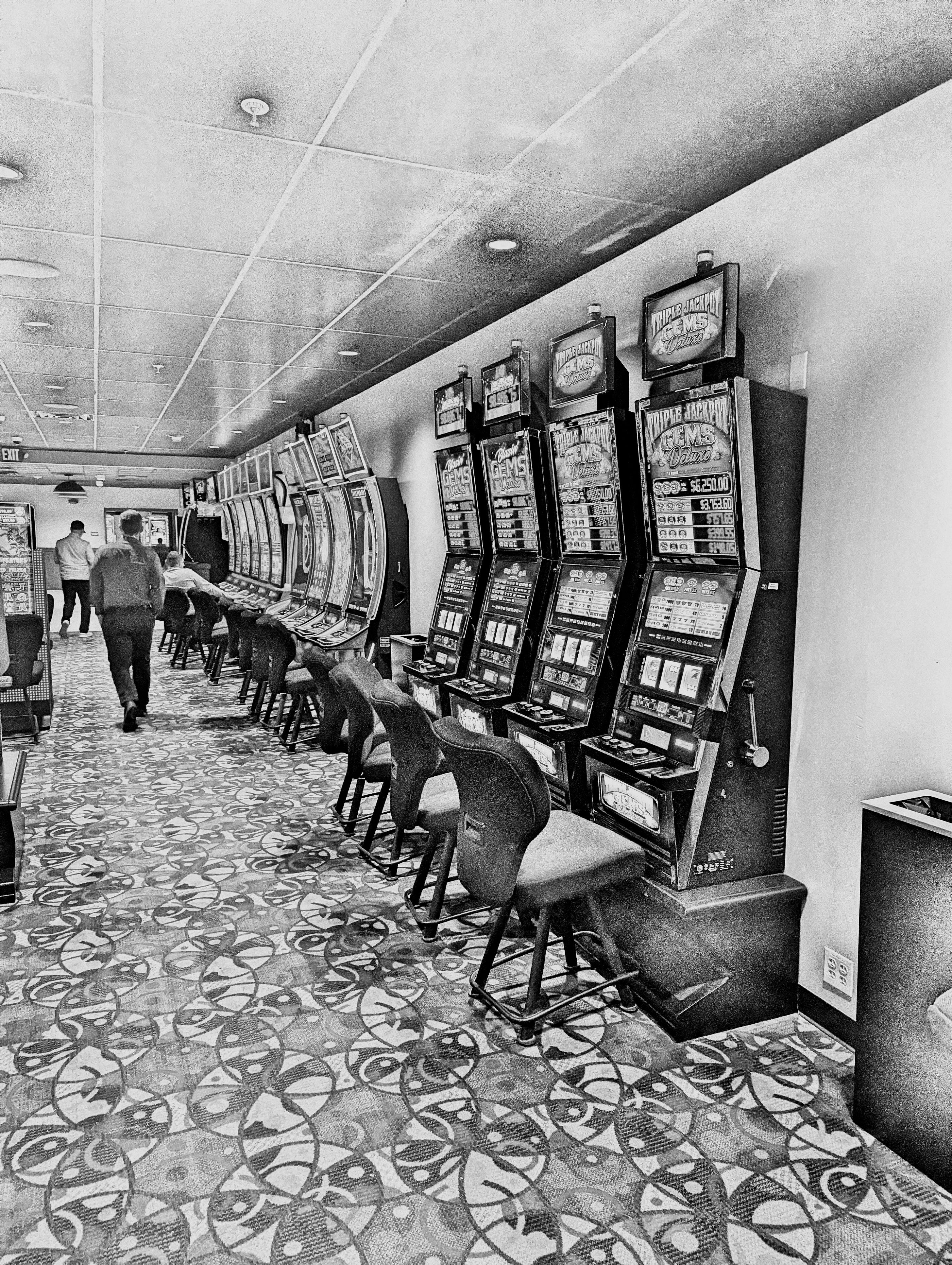 |
Casino-style gambling has arrived at our doorsteps, quite literally, in Nashua’s Daniel Webster Highway Corridor—an area known for family-oriented businesses and the Pheasant Lane Mall. But behind the glossy facades and promise of quick revenue for the state, we are witnessing a growing set of concerns, from increased crime to a dramatic change in the character of this border district. I am introducing a package of four separate bills to tackle these challenges head-on, providing protections and choices for the communities that host gaming facilities.
This effort is grounded in two key insights: (1) quantifiable costs—especially crime and subsequent policing expenses—and (2) non-quantifiable costs—the loss of our community’s character as malls transform into gambling hubs.
1. Addressing the Quantifiable Costs (Bill #1)
A 10% Municipal Share to Offset Crime and Policing
A seminal study by economists Earl Grinols and David Mustard found that casinos can be responsible for a sizable percentage of a county’s crime—often between 5.5% and 30% of different types of offenses, translating to about 8% of total crime in casino counties. Their work shows that these pressures grow over time, costing the average adult roughly $75 annually in additional crime-related expenses.
My first bill requires that 10% of the gross gambling revenue—previously funneled only to the state and charities—be directed straight to the local municipality. That brings the total share from 25% to 35%, giving the host community real dollars for additional public safety, infrastructure, and policing. With the added revenue, local taxpayers are no longer left holding the bag for these hidden costs.
2. Enterprise Value Property Taxation (Bill #2)
Fair and Enterprise-Based Taxation for Accurate Cost Recovery
It is not enough to tax a casino’s real estate footprint without considering the actual scale of operations. Casinos are unique businesses that operate 24/7 and impose outsized demands on local infrastructure, police, fire, and public services.
My second bill delegates authority to cities and towns to assess casino property taxes based on enterprise value. This includes not just the building and physical assets but also the value derived from gaming operations and revenue generation. By aligning property tax assessments with the true economic footprint of a casino, municipalities can more effectively recover costs tied to hosting these facilities.
This reform ensures that gaming enterprises, not local taxpayers, shoulder the fair share of the burden for their impact on the community.
3. Separate Opt-In for Full-Scale Casinos (Bill #3)
Protecting Family-Focused Corridors
Our Daniel Webster Highway Corridor and the Pheasant Lane Mall are traditionally family-friendly retail and dining destinations—yet they stand to become mini–adult entertainment districts with one legislative stroke. Right now, New Hampshire law does not require a distinct, public re-vote for large casinos.
My third bill mandates a separate, robust opt-in vote for any full-scale casino expansion. Smaller “mom-and-pop” gambling may be one thing, but a large-scale casino is another. If a community does not affirmatively vote to adopt a big casino, it cannot be forced upon them by stealth or by simply piggybacking on previously approved limited gaming.
4. Opt-Out Provisions at HHR License Renewal (Bill #4)
Empowering Communities to Decline Renewals
Historic Horse Racing (HHR) machines often slip in quietly, then spread dramatically. Communities deserve the power to say “enough” if the burdens prove intolerable.
My fourth bill offers an “opt-out at renewal” option for HHR licenses. If the local city or town sees crime, social costs, or other side effects spiraling, citizens can place a measure on the ballot to remove the license when renewal comes due. This ensures local voices determine whether a gaming establishment remains in operation.
Confronting Two Core Problems
Quantifiable Costs:
The Grinols-Mustard research underscores how crime and related expenses climb once a casino opens. We must compensate municipalities for the heightened policing, emergency responses, and criminal justice burdens. Bill #1’s 10% revenue share and Bill #2’s enterprise value property taxation directly address these costs, ensuring that local governments are not shortchanged.
Non-Quantifiable Character Shift:
More than just line-items on a balance sheet, casinos change the atmosphere of a corridor from child-friendly and retail-oriented to late-night gambling, adult crowds, and flashing lights. Families who come to shop and dine alongside neon-lit, round-the-clock gaming floors are witnessing an erosion of the district’s character. Our opt-in procedures (Bill #3) and license-renewal opt-outs (Bill #4) keep local identity intact.
The “Trojan Horse” of HHR Machines
We have seen across the nation how Historical Horse Racing (HHR) terminals effectively mimic slots. Like a Trojan horse, they arrive under the label of “historical” wagering, then expand beyond their modest beginnings, introducing full casino features before we have a casino mindset in our regulations. Bills #3 and #4 directly address this, ensuring we have proper public votes, renewal checkpoints, and the ability for towns to say “no.”
Conclusion
I am not anti-business, nor am I anti-gaming per se. But I do oppose imposing unchecked costs on our families, taxpayers, and communities—and permanently changing the Daniel Webster Highway Corridor or any other family-friendly area into an adult-entertainment hub without explicit local approval.
By (1) guaranteeing a 10% municipal share for policing (Bill #1), (2) ensuring fair property tax assessments based on enterprise value (Bill #2), (3) requiring a separate opt-in for full-scale casinos (Bill #3), and (4) offering opt-out provisions at HHR license renewal (Bill #4), these four bills restore local control and protect our community’s quality of life.
I firmly believe these reforms reflect what New Hampshire does best: empowering communities, safeguarding taxpayer interests, and keeping families central to our public policy. Let’s uphold our “Live Free or Die” spirit—by making sure our neighborhoods are free from avoidable costs and hidden dangers. It’s time to reclaim our family corridors for New Hampshire’s future.
Citizen in a Republic is nonpartisan and non-ideological and is dedicated to publishing opinions addressing political problems in New Hampshire, especially opinion pieces from or about members of marginalized groups. If you want to submit an opinion piece for publication, please submit it here. If you want to submit a letter to the editor for publication, please submit it here.
Disclaimer: The views and opinions expressed in guest posts and other opinion pieces are those of the authors and do not necessarily reflect the official policy or position of Citizen in a Republic. Any content provided by our contributors is of their own opinion and is not intended to malign any organization, group, or individual.
Rep. Bill Ohm won his seat in Nashua Ward 9 in 2024 against Melbourne Moran who Andrew Horn, Editor of Citizen in a Republic, campaigned for.